
PHA vs PLA: A Comprehensive Comparison for Sustainable Food Packaging
As the food packaging industry moves away from traditional plastics, biopolymers like PHA (polyhydroxyalkanoate) and PLA (polylactic acid) have emerged as leading alternatives. While both are biodegradable, they have distinct properties that make them suitable for different applications. This article provides a detailed comparison to help you choose the right material for your packaging needs.
What Are PHA and PLA?
| Property | PHA (Polyhydroxyalkanoate) | PLA (Polylactic Acid) |
|---|---|---|
| Source | Microbial fermentation of sugars or lipids | Corn starch, sugarcane, or cassava |
| Biodegradability | Home-compostable, marine-degradable, soil-degradable | Industrial compostable only (58°C+ required) |
| Degradation temperature | Ambient temperature (20-30°C) | High temperature (58°C+ in industrial facilities) |
| Degradation environment | Home compost, soil, freshwater, marine | Industrial composting only |
| Degradation time | 3-6 months (home compost) | 6-12 months (industrial compost) |
| Heat resistance | Up to 120°C | Up to 55°C (amorphous) or 110°C (crystalline) |
| Water resistance | Good | Moderate |
| Production cost | Higher | Lower (more mature technology) |
| Market availability | Emerging, scaling up | Widely available |
Key Differences
1. Biodegradability
The most significant difference is in biodegradation conditions. PLA requires industrial composting facilities with temperatures above 58°C and specific humidity levels. In contrast, PHA can biodegrade in a wide range of environments including home compost bins, soil, freshwater, and even marine environments at ambient temperatures. This makes PHA a truly "environmentally friendly" option that doesn't rely on specialized waste management infrastructure.
2. Heat Resistance
PHA offers superior heat resistance, withstanding temperatures up to 120°C. This makes it suitable for hot food packaging and microwave applications. Standard PLA has limited heat resistance (around 55°C), making it unsuitable for hot contents. Heat-resistant PLA grades exist but are more expensive and still not comparable to PHA's thermal performance.
3. Barrier Properties
When used as a coating on paper, both materials can provide effective barriers against grease and water. However, PHA typically offers better moisture barrier properties and can be applied as a thinner coating layer while maintaining performance. Our PHA coated paper products demonstrate excellent barrier performance with minimal coating weight.
Applications in Food Packaging
PHA is ideal for:
- Hot food and beverage containers (up to 120°C)
- Compostable lunchboxes and takeout containers
- Home-compostable packaging (no special disposal needed)
- Marine-degradable applications
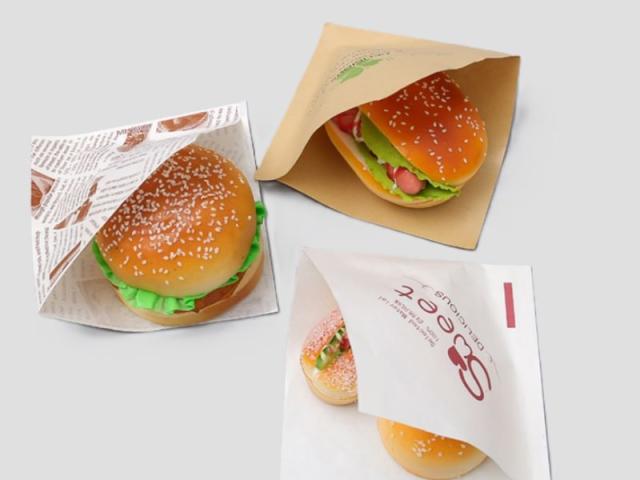
- Greaseproof fast food wrapping paper
PLA is suitable for:
- Cold beverage cups and containers
- Fresh produce packaging
- Clear windows in packaging (PLA is transparent)
- Applications with access to industrial composting
- Short-shelf-life products
Environmental Impact
A life cycle assessment (LCA) comparison reveals:
- Carbon footprint: Both materials have lower carbon footprints than traditional petroleum-based plastics. PHA production is carbon-neutral or even carbon-negative in some production processes.
- End of life: PHA's ability to biodegrade in home compost and natural environments gives it a distinct advantage over PLA, which requires industrial composting infrastructure that is not available in many regions.
- Marine degradation: PHA biodegrades in marine environments within 3-6 months, addressing the critical issue of ocean plastic pollution. PLA does not significantly degrade in marine conditions.
Which Is Better for Your Packaging?
The choice between PHA and PLA depends on your specific requirements:
- Choose PHA if you need home-compostable packaging, high heat resistance, or marine degradability
- Choose PLA if you need a cost-effective solution for cold applications with access to industrial composting
For many applications, a combination of both materials or a PHA-coated paper solution offers the best balance of performance, cost, and environmental benefits. Contact our team to discuss which material is right for your specific packaging application.