
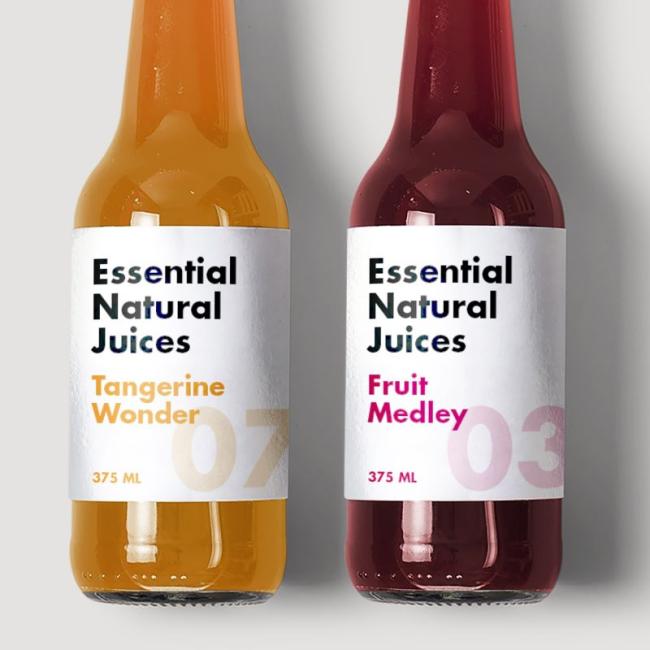
- Face: PP film; oriented or cast construction identified by grade
- Appearance: clear, white or matte by sample
- Purpose: printed packaging identification
- Print treatment and equipment: confirmed for the exact grade
- Adhesive, thickness, dimensions and supply format: to the agreed construction
- Wet, cold and heat performance: separate grade and process validation
Typical converting options
- Core: 25.4 mm (1″), 40 mm or 76 mm (3″), matched to the applicator
- Film thickness: 40–60 µm PP, typical range
PP-film label selection combines appearance, printing and container fit. Clear, white or matte appearance does not establish a temperature rating or resistance of the printed image.
We supply selected PP-film constructions, including the appropriate film and print treatment for the application. Confirm the adhesive, container surface and process conditions with samples.
Page scope: Use this page for the PP material route. Compare PE for a flexing-container trial and PET for another film construction, without assigning one material to every industry.
PE film labels · PET film labels · Water-exposure labels · Film comparison
Where PP Film Labels Are Used
Clear, white and matte film labels for packs that meet water, chill, squeeze and heat:
- Retail packaging identification
- Bottles and rigid containers
- Personal-care packs with a defined flexing requirement
- Food-pack outer labels subject to the intended contact conditions
- Custom product artwork
Where the label must follow the squeeze of a detergent or personal-care bottle more closely, PE Film Labels offer the flexible alternative; for a pearlescent finish on retail cosmetics see Pearlized Film Labels. For a label face that prints like paper but resists water, oil and tearing on outdoor tools, electronics or logistics packs, that is the PP synthetic paper line — see Synthetic Paper Labels.
Key Features
Approve appearance on the pack
Clear, opaque and matte options need different checks for contrast, opacity and the underlying container colour.
Specify wet and thermal exposure
Condensation, freezing and heat processing are distinct requirements and need evidence for the chosen construction.
Match printing to treatment
Confirm coating or surface treatment for the actual ink, toner or printing process; a polymer name is not equipment approval.
Check converting and application
Assess die-cutting, release, feeding and container adhesion at the intended production conditions.
Trapped air is an adhesive design question
A large flat label — a tray, a panel, a 3C housing — traps air between the face and the surface, and no amount of smoothing moves it. An air-release adhesive is patterned so that channels run under the face and let that air escape during application. Ask for it by name and state the label size and the applicator: an air-release pattern changes peel force, and how the stock dies and strips.
Technical Specifications
Full parameters and available formats are listed in the Specification section above.
The face decides how the pack reads; thickness and format follow the line. Typical starting points:
| Selection task | What to confirm | Sample check |
|---|---|---|
| Approve appearance on the pack | Clear, opaque and matte options need different checks for contrast, opacity and the underlying container colour. | Use the actual grade and surface |
| Specify wet and thermal exposure | Condensation, freezing and heat processing are distinct requirements and need evidence for the chosen construction. | Agree the test conditions |
| Print and supply format | Printer, artwork and delivery arrangement | Approve a physical sample |
Confirm numerical performance and retention against evidence for the selected complete construction and actual exposure.
How to Select and Order
Fix the construction before a sample is made. Each part below says what it decides, the options available, and what we need from you.
1. Face stock — decides how the pack looks
BOPP: clear for a no-label look · bright white for vivid brand print on food, beverage and pharma packs · matte to soften glare on wine, craft beer and personal care.
What we need from you: What the label has to do visually, and whether the container is transparent. The appearance decision comes before the performance decision on this product.
2. Adhesive — decides whether it holds on a curved or chilled pack
Permanent acrylic · high-tack for chilled or damp surfaces · removable on request.
What we need from you: The substrate and the surface temperature at labelling. A clear BOPP label on a chilled bottle needs the chilled-surface grade.
3. Liner
Glassine liner for standard rolls · PET film liner for thin clear film where a paper liner marks the face.
What we need from you: Your applicator type and the format you handle.
4. Service conditions — decides whether it stays clear
A clear label shows every bubble. Appearance defects that would be invisible on white are obvious here.
What we need from you: Moisture and condensation · refrigeration · handling · expected service life · whether the label is wiped.
5. Printing and converting
Flexo · screen · thermal transfer · wet-glue on selected bottling lines.
What we need from you: Your press and ink. On clear film, white ink backing is usually needed before the colour print — confirm whether that applies to your design.
Before the order runs
- Choose the face by how the label should look — transparent BOPP keeps the product visible; bright white carries vivid brand print on food, beverage and pharma packs; matte softens glare on wine, craft-beer and personal-care bottles.
- Confirm numerical performance and retention against evidence for the selected complete construction and actual exposure.
- Match the format to your line — die-cut self-adhesive rolls feed automatic applicators; sheets suit manual or short runs; wet-glue suits selected bottling lines.
FAQ
- What is this page intended to help me select? Use this page for the PP material route. Compare PE for a flexing-container trial and PET for another film construction, without assigning one material to every industry.
- Does the name establish a performance rating? No. Confirm the exact construction and the applicable exposure or test conditions.
- Which printer or process can I use? Provide the exact equipment and required print method. Compatibility is confirmed for the selected grade.
- What should I send for a sample or quote? Send the surface, artwork, format, quantity, destination and relevant environment. Validate feeding, adhesion and readability before approval.
Bofeng New Materials supplies clear, white and matte PP film labels to brand owners, label converters and packaging buyers as part of its Eco Labels range. Tell us your container, environment and print method and we will confirm the film grade, adhesive and format for you.
Get a quote or request samples: jason.zhan@bofmat.com
Related: Film Labels · PE Film Labels · Pearlized Film Labels
Related reading: Film Label Facestocks Compared: PET, PP, PE and PVC · Waterproof Labels for Wet and Wash-Down Environments